
info@timran.et | +251 116 73 48 48
Women’s representation in higher leadership positions in Ethiopia in the last three decades
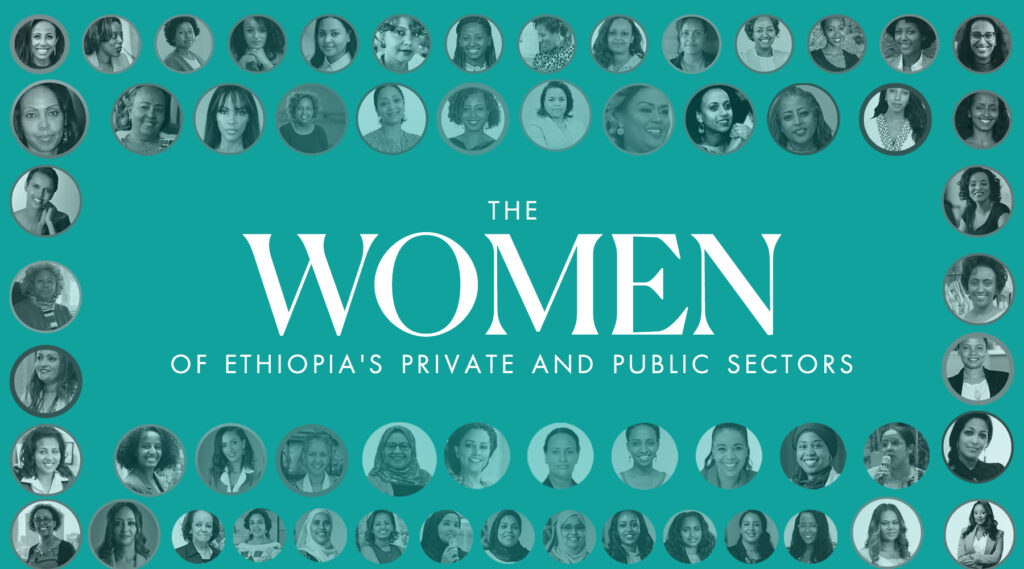
Gender equality in decision-making positions is crucial to achieving the goals of good governance, peace, democracy, and inclusive sustainable development. Since 1991 Ethiopian women’s representation in positions of decision-making has advanced considerably including the average female’s leadership in ministerial positions increased gradually by 3.44%. Nevertheless, they are underrepresented in higher leadership positions including premiership.
A data obtained from the FDRE House of Peoples Representatives (HoPR), women in Ethiopia have been appointed in every ministerial office at least once over the last 30 years, but the top three departments (ministerial positions) that are frequently headed by female ministers are the ministries of women, children, youth, and social affairs (over eleven times), culture and tourism (five times), and urban development and construction (four times).
All in all, over the last three decades, women made up 23%, 19%, 19%, and 24% of the HoPR, the House of Federation (HoF), ministerial posts, and judicial bodies respectively. This shows substantial policy, and practical initiatives are needed to remove institutional, social, and economic barriers to boost women’s advanced visibility in senior leadership roles. (Extracted from Chekol Degu Z. and Hadaro Hando F. Women’s representation in higher leadership positions in Ethiopia in the last three decades since 1991)
#TIMRAN@5